Zennaxx

Tag: mobile app

  • What Are The Factors Affecting The Cost Of Mobile App Development?

    Businesses today are increasingly mindful of their investments and expenses to ensure better returns and resource consumption. While expenses like marketing campaign budgets are negotiable, mobile app development costs are non-negotiable.Indeed, an application has transitioned from a “nice-to-have” to a “must-have” for businesses. Users now prioritize easy-to-use, accessible, and interactive applications, acknowledging that such apps can be expensive.

    Nevertheless, these applications can be considered investments, as they can yield significant ROI and enable businesses to reach a broader audience. Understanding the factors influencing app development costs can help businesses save a considerable amount of money. 

    By planning the application and its functionality effectively, costs can be reduced. To learn more about the key factors affecting the cost of mobile app development, continue reading this blog post.

    Estimating the cost of mobile app development

    The price of building a mobile app may vary significantly based on a variety of variables. Exactly how much does it cost to develop an app?

    According to Clutch, a typical software costs $171,450 to develop, but an MVP (Minimum Viable Product) may be built for $10,000 to $20,000.

    The wide variation in app development prices is due to various variables, including the product’s complexity, the density of its features, the vendor’s location, the system software or platform, and others. To figure out how much an app will cost to create, we’ll look at all factors in more depth.

    According to a report, mobile users consume over 50% of the total internet traffic. and over double the amount of time as desktop users.

    On average, consumers download 30 apps each month, and mobile applications account for 57% of all digital media consumption.

    Factors That Affect The Cost Of The Mobile App Development

    1. The App’s Type and Size

    Depending on business requirements, different types of applications can be chosen. They can be categorized into three types based on functionality:

    1.1 Basic/Simple apps

    These applications are developed using a single platform and consist of standard user interface components for limited functionalities. They primarily provide information to users and have minimal usage. 

    Examples include calculators and weather apps. Basic apps are typically small in size and may not require backend development or API integration.Basic app development cost: $10,000 – $15,000

    1.2 Data-driven app

    Calendars, maps, and weather solutions are all examples of data-driven applications that receive a large amount of data, evaluate it, and share this with users. 

    These types of apps have dwindled in usefulness over the past several years and are now often launched as side effects. How much would it cost to build a data-processing application?Data-driven app development cost: $15,000 – $20,000

    1.3 Social network app

    Social networking applications – Facebook, Instagram, LinkedIn, and so on – are self-explanatory. They must manage millions of interactions, conversations, and the sharing of information between individuals. All this requires a robust infrastructure service and a higher initial investment. How much would it cost to develop a social networking application?

    Social network app development cost: $60,000 – $300,000

    1.4 Apps with user authentication and personalized data

    An authenticating app is like a loyalty app in that users must log in to access certain features. The program saves and syncs user data across devices. This is a more complex, and therefore more costly, project which will necessitate user monitoring.Authentication app development cost: $40,000 – $80,000Example: Loyalty app by Starbucks

    1.5 eCommerce app

    Amazon, Alibaba, and other markets provide eCommerce applications. They need a broader range of services, including registration process, human engagement, catalogs, category pages and details, and payment methods. We offer a price estimate for a simple eCommerce app.

    Simple eCommerce app development cost: $60,000 – $300,000

    Example:Amazon

    1.6 Moderate apps

    These applications offer more features and functionalities compared to simple apps, such as personalized user experiences and payment options. They often require API integration and involve advanced data processing. Examples include e-commerce, news, and social media apps. As they are developed for multiple platforms, moderate apps are of medium size.

    1.7 Complex apps

    These applications have intricate user interfaces, require real-time data processing, and offer extensive functionalities. They often integrate third-party services. Examples include ride-sharing, food delivery, and enterprise mobile apps. Due to backend programming requirements, complex apps are typically large in size.

    Complex app development cost:$50000-$500000

    The choice of application type depends on the specific requirements. Many startups opt for basic or moderate apps. The complexity of the application significantly influences the cost of mobile app development, as higher functionalities entail increased time and cost.

    2. Operating systems for devices – iOS vs Android

    The choice of operating system significantly impacts the cost of mobile app development, including maintenance expenses. Here are the cost considerations for both iOS and Android platforms:

    2.1 Android

    Android stands out as one of the most popular operating systems among app developers for several reasons:A. Apps are highly compatible with various devices and screen sizes.B. Google Play Store charges a one-time registration fee, which is comparatively lower than Apple App Store fees.

    C. Android app developers often charge less than iOS developers, as expertise in Java or Kotlin is sufficient for development.

    However, there is a significant drawback to developing for Android. These apps require extensive testing and optimization across various devices and operating system versions due to the platform’s wide compatibility range.

    2.2 iOS

    Businesses often explore iOS apps due to their compatibility with a limited number of devices, making it easier to optimize performance. Nonetheless, iOS apps tend to be subtly more expensive than Android apps due to the following reasons:

    A. The need for Mac hardware, enrollment fees in the Apple Development program, and compliance with stringent App Store review processes.B. iOS app users typically spend more on in-app purchases compared to Android users.

    Alternatively, businesses can opt for cross-platform apps to mitigate the challenges of choosing between iOS and Android. These apps offer a cost-effective solution by utilizing a single codebase deployable across multiple platforms.

    3. Devices and Platforms

    The cost of mobile apps depends on the platform and device they’re developed for. Platforms like Android, iOS, or cross-platform options all affect development costs.

    Developing for Android means dealing with various device types, including TVs and watches, which adds complexity and cost. iOS apps, on the other hand, are limited to iPads and iPhones. But they require learning Swift, Apple’s programming language and following strict rules, making them more expensive. Device type and generation also matter.Generally, Android apps are cheaper to develop than iOS ones. Knowing these factors helps businesses plan and budget for app development effectively.

    4. The Development Team’s Structure and Location

    Hiring an excellent team to build a mobile app certainly comes at a price. However, this expense is crucial, as the right team can help reduce the overall cost of app development by selecting the ideal framework, platform, and ensuring compliance for user security.

    Businesses have the option to choose a freelance app developer for end-to-end app development at a budget-friendly price, or they can opt for a team with dedicated personnel for each stage of development. While selecting a team may increase development costs, having a reliable team can yield desirable results within set timelines.

    In addition to team structure, the team’s location also impacts app development costs. If the team is based in the same office or city, it becomes easier to manage timelines, which further influences the determinants of mobile app development costs.

    5. Mobile Application UI/UX

    The look and feel of your application are paramount to customer engagement. This aspect, often defined as User Interface (UI) and User Experience (UX), is the cornerstone of a well-made application. 

    As the saying goes, “the first impression is the last impression.” Therefore, the design of the UI, logos, content flow, wireframes, and ease of usability are crucial and can be achieved by hiring an expert in the field. UI/UX designers‘ pricing varies based on their experience, the complexity of the applications, and the design elements involved.

    6. App Security Costs

    If there is one area where a business should not cut costs or second-guess their decision, it’s app security. Undoubtedly, it is the most vital component as it protects the app and its users against security threats, data breaches, and fraudulent activities.

    According to a recent report, smartphones have an average of 80 installed applications. Improperly secured applications can pose potential risks to users. Today, people store crucial data on their phones for better accessibility, making it crucial to have the right security measures in place. 

    While implementing excellent security measures may impact the pricing of app development, it ensures the safety of user data, which is of utmost priority.

    7. Maintenance and Marketing costs of an app

    Maintenance is pivotal for ensuring the smooth functioning of an application, involving checking for bugs, security threats, and overall performance. 

    While implementing excellent security measures may impact the pricing of app development, it ensures the safety of user data, which is of utmost priority.

    8. Functionalities and Features of an app

    Functionalities and features are key factors in mobile app budgeting. Apps with limited functionalities, such as standard user interface components, are generally less expensive than those requiring access to features like GPS or camera permissions. These additional functionalities contribute to the overall cost of your mobile application.

    9. Choosing the business model

    Businesses select the type of applications based on their specific requirements, target users, products or services, and app usability. These factors directly affect both the timeline and cost of mobile app development. For instance, simple apps designed for internal communication or information sharing tend to be less expensive compared to e-commerce apps. In summary, the type of business and its desired outcomes significantly influence the cost of app development.

    The price of developing a mobile app

    The cost of developing a mobile app varies depending on factors such as complexity, platform, and functionalities. It typically starts from $5000 for basic apps and can go up to $500,000 for complex and feature-rich apps. However, the pricing also depends on the location of the development team and their charges.

    Conclusion

    Today, businesses prioritize cost-effective applications that are user-friendly, engaging, and aligned with their goals. Understanding the various factors influencing mobile app development enables businesses to strategically plan their app, considering its complexity, functionalities, and essential components necessary for excellence.However, having the right team of experts is crucial, as they can assist businesses in allocating their resources wisely based on their specific requirements. With the guidance of skilled professionals, businesses can ensure optimal investment in their applications, leading to successful outcomes.

    At Zennaxx, our expert team has assisted numerous businesses in building mobile apps through adequate planning, research, and innovative, customer-centric approaches. Leveraging our experience and expertise, we can help you reach millions of app users and capitalize on the potential of mobile apps as the best platforms to connect with your customers.

    FAQs


    • How does the complexity of an app affect its development cost?

    • The complexity of the application directly influences the cost of app development. Straightforward applications with minimal requirements require less time, resources, and effort to build. Conversely, applications with more requirements and added functionalities typically demand more time, cost, and expertise to develop. Apps that are quicker to build result in lower costs. Therefore, the complexity of an app can significantly impact its development cost.

    • What are the key considerations for estimating app development costs?

    • Factors such as the complexity of the app, platform, design, composition of the development team, security, maintenance, functionalities, updates, quality assurance, and integration are key considerations for estimating app development costs.

    • How do you determine the cost of developing an app?

    • Clarity regarding the app’s requirements, functionalities, integrations, APIs, complexity, preferred platform, development team charges, and marketing budget is essential for determining the cost of developing an app.
  • UI/UX design in Mobile App Development: Role and Importance

    The days when the desktop computer was the most popular mode of communication are long gone; today, the same desktop devices have become a secondary mode of communication.

    We used to do most of our searches on our PCs and communicate with one another using various devices.Nowadays we are always active on our smartphones, whether at home, at work, or when travelling, and it has become an unmissable part of our lives.

    If it is the case, it will be wise for many organisations looking to build a name for themselves in their respective fields. You should begin developing mobile applications and websites, which will assist you in developing a strong market presence.

    We can easily see that the market is swamped with mobile applications relating to plenty of businesses, including education, hotels, restaurants, healthcare, travel, and retail. Every day, hundreds of mobile apps are submitted to the app store.

    The worldwide mobile application market size was assessed at USD 154.05 billion in 2019 and is predicted to grow by USD 653.91 billion during 2022-2025, with a CAGR of 21%.

    This demonstrates that developing an unrivalled mobile app has become a difficult task that can only be attained if mobile app developer are willing to go outside the box for each and every project they tackle.

    You should be aware that an app’s style and appearance should be appealing so that it can make a faster and lasting impression on clients’ brains while they are downloading an app from the app store. The success of every mobile application is determined by the UI/UX design services.

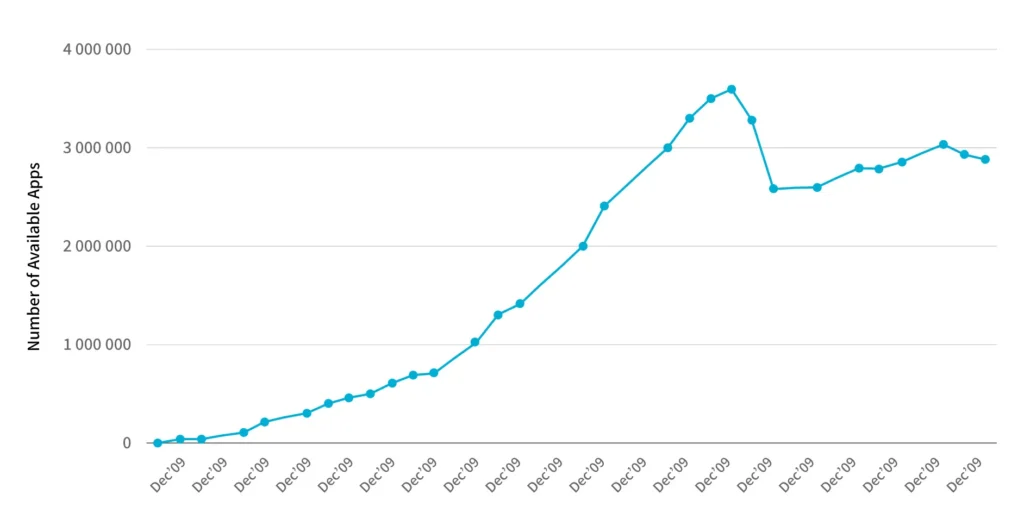
    Globally, there are more than 6.3 billion mobile phone users, according to Statista. According to some reports, the Google Play Store has 2.89 million apps available for download.

    Number of available Apps

    Defining UI design in mobile apps

    The abbreviation UI stands for User Interface. It is how users interact with mobile applications. User interface design for mobile apps is to make interactions between users and the programme as simple, enjoyable, and successful as possible.

    UI in mobile app development A UI in mobile app development refers to any device that allows people to interact with displays, screens, or overlay buttons. The main purpose of mobile app user interface concepts is to deliver the best possible interaction.

    Defining UX design in mobile apps

    The term ‘UX’ refers to the user’s experience. User experience design aims to create a system that provides the best possible experience for users. 

    According to UX principles, customers become loyal customers when they have a positive experience with mobile apps. The user experience (UX) is in charge of a user’s journey via a mobile app or website, which defines the company’s success. UX Design in Mobile Apps

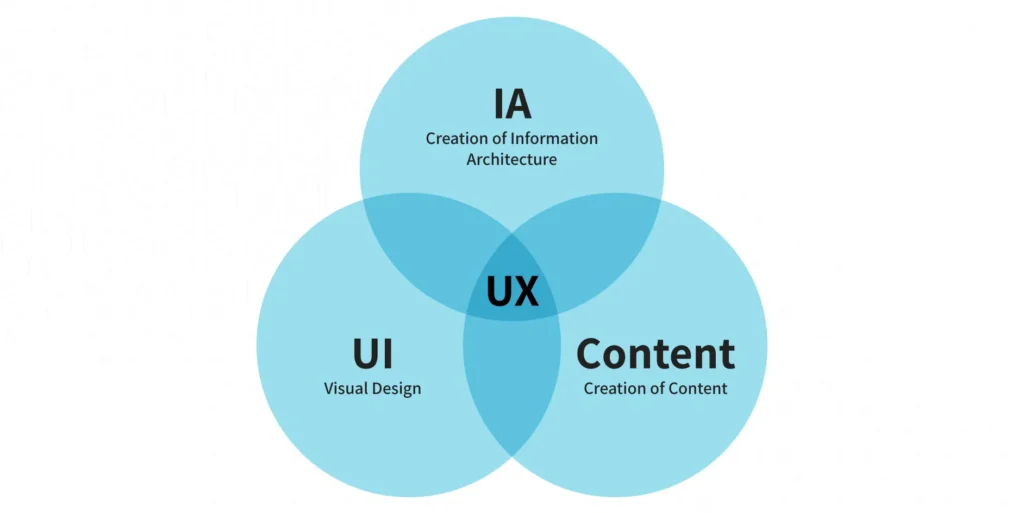
    App for mobile devices UI and UX design are always combined since they are mutually beneficial. To be successful, an app must be the greatest.

    Difference between UI and UX

    Let’s start with an understanding of what UI and UX mean. The result of a mobile application’s User Interface (UI) and User Experience (UX) is understood as Creative Design. Both of these concepts are sometimes used interchangeably, but it’s a mistake to think of UI and UX in the same way when it comes to design.

    The user interface (UI) determines the application’s appearance and interacts with the user’s requirements to determine their level of satisfaction.

    Difference between UI and UX

    In the UI/UX design services, the UX part works as a systematized approach for increasing consumer happiness by improving the app’s usability. In other terms, UX specifies how an app appears to a user. As a result, both UI/UX are critical for a mobile application to function properly and achieve its goals.

    Deliverables of the UI/UX app design development.

    Any UI/UX designer’s work is divided into several stages. Various deliverables are provided for clients during the UI and UX design process of android and iOS app development.

    These deliverables are developed for multiple purposes, including improved client communication, documentation, and effective presentation of ideas.

    Both UI and UX have their deliverables; let’s look at them to better grasp the significance of mobile app UI/UX design in the development process.

    What are the key UI/UX services?

    1. Mood boards

    Mood boards are used to showcase new ideas in an easy-to-understand format.

    Mood boards

    It aids clients in comprehending the app concept on which the designer would be working. You can save your own or anyone else’s schedule by making a mood board instead of giving long talks with a presentation.

    2. Dynamic prototyping

    Dynamic prototypes are another one of the UI deliverables—prototypes aid in refining the app’s overall functionality and making adjustments as needed.

    UI deliverables—prototype

    A mobile app development company can develop UI according to the clients’ wishes using dynamic prototypes.

    3. Visual designs

    Visual designs will aid in comprehending the effects of design aspects. With visual designs, the effects of elements such as photography, typography, space, colours, layouts, images, and so on may be better understood.

    4. UX deliverables

    User personalities

    Designers must ensure that their clients know what their customers require and anticipate from their products. Creating a buyer persona aids in understanding and explaining customer behaviour to clients. User research is used in the UX process to determine the behavioural pattern.

    Competitive analysis report

    The competitive analysis report is designed to assess your app’s level of competition. All of your efforts will be for nought if your app is in a highly competitive market or if you are not prepared to outperform your competition. A competitive analysis report can reveal the strengths and weaknesses of a competitor’s app.

    Journey of the user, maps, and user flows

    Users’ entire behaviour toward a product is depicted in experience maps. The experience maps show the expectations, time spent, feelings, ideas, and wants, among other things. 

    User journeys, also known as user flows, are the actions performed by a user to interact with a product at various phases. These could be actual or future interactions with a product.

    Interactive prototypes

    Another one of UX’s deliverables is interactive prototyping. In the initial prototyping phase, you will be able to save a lot of time and effort, and it does the job well enough.

    Interactive prototypes

    Prototypes aid in displaying how the final product will function with what clicks and taps leading to the next action. It also aids the designer in effectively communicating their ideas.

    Let’s move on to the relevance of UI/UX design in providing a custom product now that we’ve looked at what UI and UX stand for and what part mobile app UI/UX design plays in the development process.

    Significance of mobile app UI/UX design services

    It becomes critical to understand the importance of UI/UX design in app development. Most developers construct a high-performing app but neglect to focus on the design, which leads to the app’s demise. It isn’t easy to balance an app’s usefulness and relevance in UI/UX design, but it’s necessary.

    One of the most prominent characteristics that might define the success of a mobile application is its ease of use. In terms of appearance, feel, and navigation, providing an unrivalled user experience is simple.

    1. Catch users’ attention

    In the UI/UX design for mobile apps, the designs pique users’ interest and encourage them to interact with the app. Users should, however, be able to grasp the designs and navigation well enough to stay for the long haul.

    2. Form a good impression

    The value of a UI/UX design for a startup or any small business rests in forming the first impression. When consumers first visit your app, they should be immediately hooked and want to come back for more. 

    A good app will have a longer usage period, which may be achieved through the app’s UI/UX design.

    3. Feature in the app store

    The number of users who like a mobile app determines whether it is good. Satisfied consumers’ ratings and reviews will propel your mobile app to the top of search results. 

    Make sure your app’s UI/UX is good to have it highlighted in the Play Store or App Store. Having your app appear in the top rankings of any category will automatically increase its popularity.

    4. Loyal customers

    Appealing apps indeed have more users. Apps with amazing UI/UX, such as Instagram, Facebook, Candy Crush, and others, have attracted millions of users. Users become loyal because of their satisfaction from a positive user experience.

    5. User satisfaction

    Make sure you know your app’s users before you start building the user interface. This will aid you in making changes to your app to suit the demands of your users better. A successful user interface design includes insightful content and straightforward navigation, which leads to client satisfaction.

    Check to see if your app contains all of the necessary features. You should also have a clear structure and an appealing CTA button in the right place.

    6. Save cost and time

    When you start with a solid understanding of mobile app best UI/UX practices, you can rest assured that app maintenance and updates will be minimal.

    And, because those two issues will be addressed, the obstacles you may have following the app’s introduction will be minimal.

    7. Brand building

    Investing in a successful Ul/UX design increases customer happiness, resulting in happy consumers. Individuals like to work for companies that make them happy.

    They’ll be willing to accept features that can be enhanced and, as a result, invest resources in improving your app.

    As a result, your company’s credibility grows, and customers form positive ties with your company and brand. The value of your company and your brand name will increase due to this.

    8. Enhanced traffic

    Users are more prone to stick around if the UI/UX is nice. Nothing can stop them from researching the predetermined target and converting users into invaluable clients if your website or mobile app is well-built and has an outstanding client experience.

    As a result, it is your obligation and that of the UI/UX developers to ensure that your site/application has the best UI/UX possible.

    It’s a widespread misconception that you don’t require any additional guidance if you’ve mastered the UI/UX development process. However, considering how the impact of UI/UX design may be long-lasting, there’s little harm in going over some sure-fire tips.

    9. It makes your business unique

    Suppose you aspire to make your business unique and different from others. You will have to understand your customers and their needs. You may influence new users and increase sales conversions with an excellent UI/UX design.

    Planning mobile development?

    Ready to elevate your app development projects? Partner with us for seamless app development solutions.


    Book your free consultation

    Image CTA

    How mobile application design and development services can ensure successful UI/UX?

    You will find many companies that offer mobile application design & development services in your town. That’s why it becomes critical for you to choose the best one.

    1. Leveraging UI elements

    Ensure that all elements, such as buttons, icons, colours, contrast, and symbols, are consistent. The elements are the one that users frequently interact with.

    UI elements

    It will make it easier for users to become accustomed to the elements, and they won’t need any additional instructions to continue using the app. It will boost consumer’s confidence and provide security when using your mobile app, which they can also share with others.

    2. Try to keep it engaging

    Apart from the app’s look, you must concentrate on moving from one window to the next. Try to develop an app that is more engaging for the users.

    3. Set uniformity

    Try to keep your app’s layout consistent across all windows. 

    Set uniformity

    The skilled developers recommend that the consistent design makes it simple for the audience to carry out their actions.

    4. Faster and smoother

    When working on your app’s UI, make it a goal to ensure that it doesn’t take too long to load. It may result in users losing interest in your software right from the start. It is preferable to optimise your mobile application so that it loads in a fraction of a second so that users cannot switch to another app.

    If your application takes longer than expected to load for any reason, it’s a good idea to let users know. This will inform your users of the delay, and they will wait for the programme to load.

    5. The simpler, the better

    A user will only download a mobile app if it promises to give top-notch services with minimal effort. As a result, it becomes our primary priority to keep this in mind while creating a mobile app, which can be accomplished by decreasing the number of steps to be performed throughout the download process.

    6. Build user-friendly designs

    In the age of touch screens, it’s your responsibility to ensure that all icons and buttons are the right sizes. 

    7. Hire the right UI/UX designers

    Working with experts is highly suggested if you focus on the mobile app user interface design and experience. To ensure that your app’s UI/UX designs are on point, you can outsource app development to a professional app development business. All end-to-end user interactions should be understood by the UI/UX designers and incorporated into the app.

    8. Consider platform-based designs

    The UI design of iOS app development differs significantly from that of Android app development. Similarly, the iOS app UX design differs from the Android app UX design because both platforms are designed at the device level. 

    What matters is that you comprehend both Material Design and Human Interface Design and the aspects that distinguish them.

    The minimal approach in the beginning of UI/UX for mobile app development

    Creating UI/UX development processes frequently concentrates on too many components at once, resulting in a poor user experience. If there are many things ongoing on the screen, the user will be unable to focus on the app’s content.

    Another approach to quickly lose users is to overcrowd the screen with stuff. You must have a thorough and deep understanding of your target market.

    After all is said and done, the only thing that can prevent the bad effects of UI/UX design is a thorough understanding of your users.

    You can only give a memorable experience to your user base and the rest of the world if you know who you’re producing the product for. A well-planned product discovery workshop is one approach to accomplish this.

    The only thing that you are required to do now is work with a trustworthy and professional app design business. You can increase your mobile UI/UX design services with the support of a good app design and development business.

    How effective can UI/UX design make your mobile app successful?

    Mobile consumers prefer app designs that are both exciting and straightforward. You must create a user-friendly interface and easy navigation for them.  

    The development of a well-designed app determines the success of a company. Most users prefer visually appealing and user-friendly software with amazing features and functionality.

    user-friendly software

    As a result, creating a superb user interface will provide your users with a realistic experience while using your software. 

    Furthermore, it continuously offers updated information. More traffic will be generated if more individuals utilize your app daily. This will boost sales conversions and strengthen your brand’s identification.

    Conclusion

    UI and UX designs help establish a brand and improve its online visibility. All the netizens expect a high class user experience in today’s world when it comes to using the mobile app. As a result, they look for apps with a user-friendly and engaging layout.

    A flawless UI/UX design for mobile application will enhance your company’s visual identity. As a result, it will keep expanding. Use the best UI/UX design techniques and follow the current mobile app UI/UX design trends if you aspire to stand out in the digital world. 

    Find the best mobile app development company that can deliver the best mobile app for your business as per your requirements.